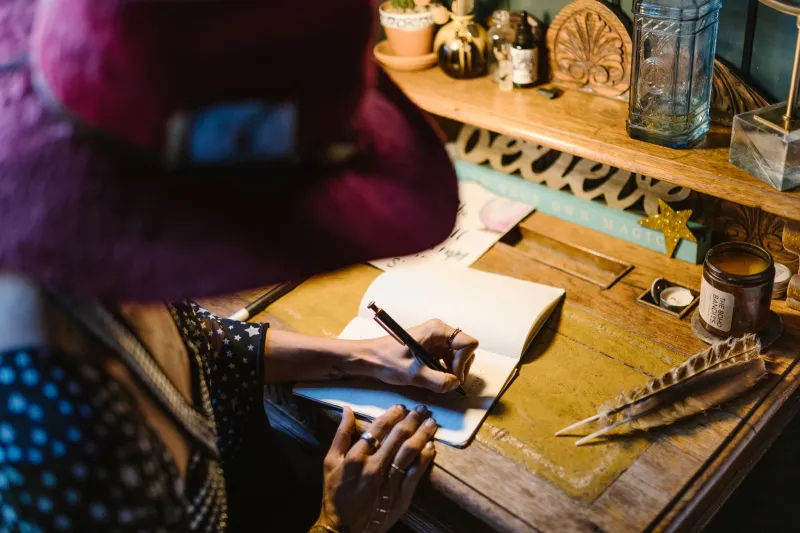
The Quiet Collapse: What Burnout Really Looks Like for Independent Creators
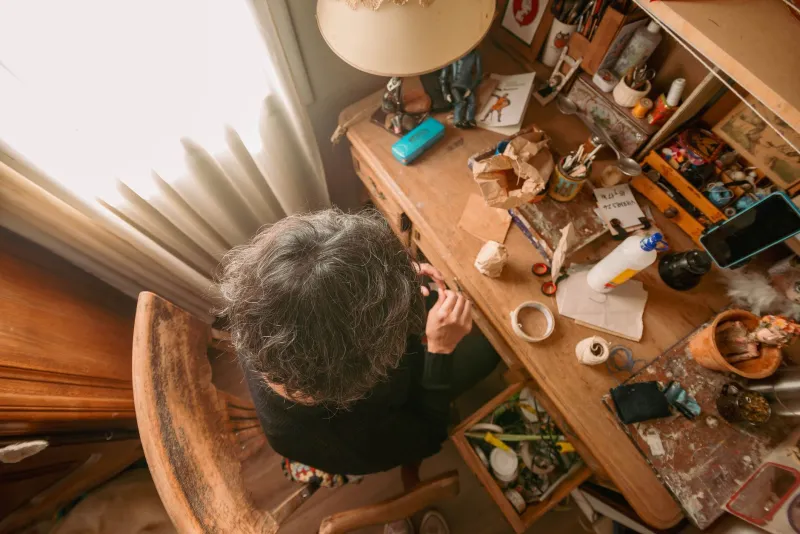
Nobody talks about the Tuesday when they stared at a blank document for two hours and felt absolutely nothing. They talk about the launch, the milestone, the collab that went viral. The grind gets romanticized. The collapse gets edited out.
But for a growing number of independent creators — writers, illustrators, photographers, podcasters, the whole sprawling ecosystem of people building something personal and public at the same time — that collapse is becoming the defining experience of their career. Not a dramatic implosion, but a slow, grinding erosion of the thing that made them start creating in the first place.
I've talked to a lot of fellow creatives over the past year. What they've shared is illuminating, uncomfortable, and worth putting on the table.
The Myth That Sets Everyone Up
Let's start with the lie we all got sold: the overnight success story.
The algorithm loves a good origin story. Creator posts consistently for six months, one video blows up, suddenly they're doing brand deals and speaking at conferences. We see the after. We don't see the 200 pieces of work that came before the one that landed, the savings account that got dangerously thin, the relationships that frayed under the pressure of building something from scratch.
Marcus, an independent illustrator based in Chicago who asked me not to use his last name, described it this way: "I spent two years watching people who started around the same time as me blow up overnight. Except when I actually talked to them, none of it was overnight. They'd just been quiet about the long part."
That long part is where burnout is born. It's in the gap between the timeline you imagined and the timeline that's actually unfolding — and the frantic effort to close that gap by doing more, posting more, creating more, faster.
What the Financial Reality Actually Looks Like
Here's something the creator economy content doesn't love to discuss: the money is unpredictable in ways that are genuinely destabilizing.
A freelance writer I know — she runs a newsletter with a solid, loyal readership — told me she's gone from months where she cleared $4,000 to months where she made $600. "I've learned to manage it," she said, "but for the first two years, the financial anxiety was constant. I was creating through a fog of low-level panic, and it absolutely affected the quality of the work."
That financial instability creates a specific kind of pressure that doesn't get enough airtime: the pressure to monetize everything, immediately, before it's ready. To chase brand deals that don't fit because rent is due. To pivot toward whatever's performing rather than whatever you actually want to make.
The result is creators who are technically productive but creatively hollow — generating content on a schedule their audience expects while privately wondering when they stopped enjoying any of it.
The Warning Signs That Are Easy to Rationalize
Burnout among creators is tricky to identify because so many of its symptoms look, from the outside, like hustle. Here's what to watch for — in yourself and in the independent creators you follow and care about.
Output anxiety without creative curiosity. When the primary question shifts from "what do I want to make?" to "what do I need to post?" — that's a signal. The work becomes about maintaining visibility rather than making something meaningful.
Engagement with the metrics, disconnection from the work. Refreshing analytics obsessively while feeling nothing about the actual piece you just published. The numbers become more real than the creative act.
The shrinking window. Burnout often shows up as a narrowing of what feels possible. Ideas that would have excited you six months ago now seem exhausting before you've even started. The creative appetite just... dims.
Physical symptoms that get blamed on everything else. Trouble sleeping. Persistent low-grade headaches. The inability to be fully present in conversations that aren't about work. These are the body's way of waving a flag.
The performance of passion. This one's the most insidious. Showing up in Stories or on a podcast sounding enthusiastic, engaged, grateful — while privately feeling none of it. It's exhausting to perform energy you don't have, and it compounds the depletion.
Jamila, a lifestyle photographer who recently took a three-month hiatus from her personal brand, told me she didn't recognize her burnout until she was deep in it. "I thought I was just tired. I kept telling myself I'd feel better after the next project wrapped. But the next project came and I still felt like I was running on fumes. It took a friend pointing it out — she said, 'You haven't talked about photography the way you used to in months' — for me to actually hear it."
Sustainable Momentum: What It Actually Requires
The good news, if there is any, is that burnout isn't a permanent state. It's a signal — a loud, uncomfortable one — that something in the system needs to change. Here are the shifts that have made the biggest difference for creators I've spoken with and for my own practice.
Protect your off-the-clock creating. Keep something that's entirely for you — a sketchbook, a private document, a practice that never gets posted. When everything you make is for an audience, you lose access to the messy, exploratory part of creativity that actually feeds the work.
Redefine your relationship with consistency. Consistency doesn't have to mean daily. It means showing up with intention at a cadence you can actually sustain. A thoughtful essay once a week will serve your audience — and your mental health — better than exhausted content every day.
Build in genuine recovery, not just reduced output. A weekend where you post less isn't a rest. Rest looks like stepping away from the metrics, the inbox, the content calendar — and doing something that has nothing to do with your brand.
Talk to other creators honestly. Not about strategy or growth. About the hard parts. The community that exists in that honesty is remarkably sustaining, and you'll almost certainly find that the people you admire are navigating the same things you are.
A Note on the Long Game
The creators who've been at this the longest — the ones who've built something durable and distinctly their own — almost universally describe a point where they stopped trying to keep pace with an external standard and started building at their own rhythm.
That rhythm is slower than the algorithm wants. It's less optimized than the growth gurus recommend. And it tends to produce work that actually lasts.
If you're a creator reading this and something in it landed a little too close — that's not a coincidence. It's probably worth paying attention to.