Your 'Raw and Real' Moment Is Still a Performance—And That's Worth Talking About
The Vulnerability That Isn't Quite Vulnerable
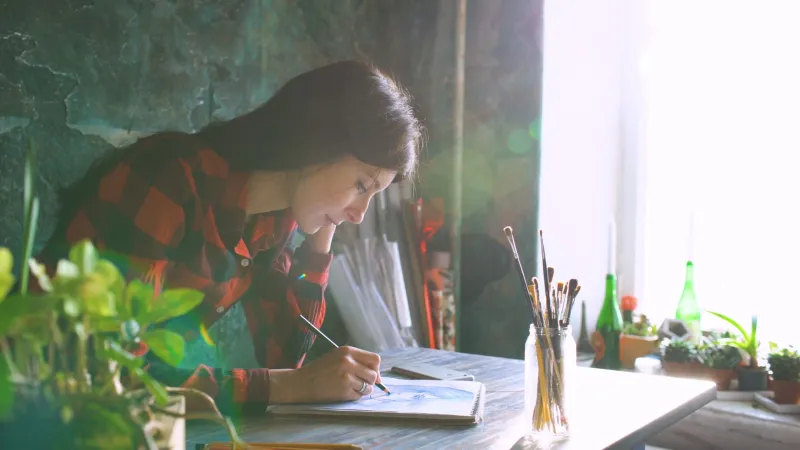
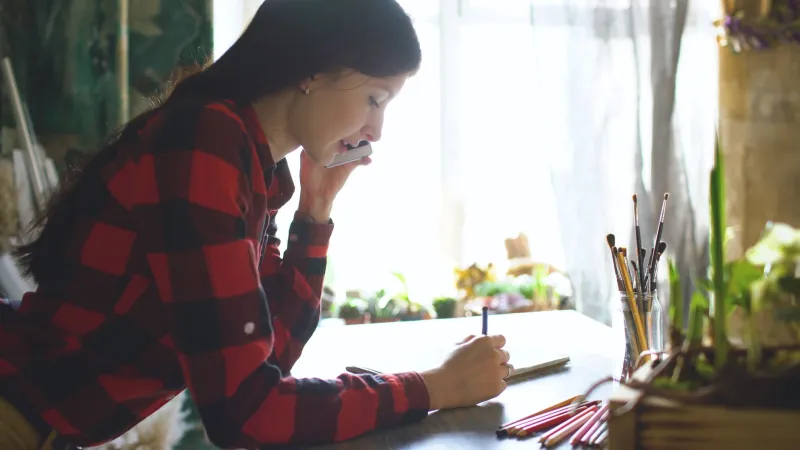
There's a specific kind of creator content that hits different right now. You know the format: soft morning light, no makeup, a shaky exhale before the camera starts. The caption reads something like just being honest with you guys or I never show this side of things. And then—the reveal. A struggle, a doubt, a behind-the-scenes chaos that proves this person is just like us.
I'm not here to call that fake. Most of the time, it isn't. The feelings are real. The struggle is real. But here's the thing that keeps nagging at me: the moment you decide to film it, frame it, and post it, you've already made a creative decision. You've curated your own rawness. And that's a strange loop worth sitting with.
The comparison trap most people talk about is the obvious one—scrolling through someone else's highlight reel and feeling bad about your own life. But there's a quieter, more insidious version that's been creeping into the creator space. It's the trap of comparing your actual private self to someone else's performed private self, and feeling like you're still somehow not authentic enough.
When 'Behind the Scenes' Becomes Its Own Aesthetic
Behind-the-scenes content used to mean blooper reels and studio tours. Now it's its own genre with its own production values. There are creators who spend genuine time and creative energy making their "unfiltered" moments feel appropriately unfiltered—the right amount of mess in the background, the right catch in the voice. None of that is inherently dishonest, but it does complicate the conversation about what we mean when we say real.
Psychologists who study self-presentation online use the term "strategic authenticity"—the practice of selectively disclosing true things about yourself in ways that serve a particular social goal. Every creator does this. Every person with a social media account does this, honestly. We're not lying; we're editing. We're choosing which truths to amplify and which to leave in the draft folder of our actual lives.
The psychological toll comes not from the editing itself, but from the constant negotiation it requires. What can I share? What will land wrong? What do I want to share versus what do I feel pressured to share to stay relevant? That negotiation runs in the background like an open tab you can never quite close.
The Pressure to Out-Authentic Yourself
Here's where the comparison trap really digs in: once audiences reward vulnerability, there's pressure to escalate it. One creator shares that they cried in the shower. The next shares a full mental health breakdown. Another takes you into their therapy session. Each disclosure feels like it raises the bar for what counts as "really" showing up.
If you're a creator who guards certain things—your relationship, your family, your health history, your finances—you can start to feel like you're somehow cheating. Like your content is less valid because you haven't handed over the parts of yourself that hurt the most.
That feeling is worth naming, because it's not just uncomfortable. It's a trap. Your privacy is not a performance flaw. The things you choose not to share are not gaps in your authenticity—they're evidence that you still have a self that exists outside of content.
A Framework That Actually Helps
I've been thinking about this in terms of three categories, and it's been genuinely useful for me when I'm deciding what to put out into the world.
The Open Room. This is the stuff you share freely—your creative process, your opinions, your public-facing experiences. No hand-wringing required. It's yours to give.
The Visiting Room. This is content you share selectively and intentionally. You might talk about a hard season in your business without detailing every financial number. You might mention that a relationship ended without turning it into a narrative arc. You're letting people in, but you're choosing the door.
The Room That's Just Yours. This is the part that never gets filmed. Not because it's shameful, but because it belongs to you in a way that sharing would actually diminish it. Some grief is private. Some joy is private. Some creative chaos is private. Protecting those things doesn't make you less real—it makes you a person, not just a persona.
The framework isn't about building walls. It's about knowing which rooms you're actually in when you hit record.
What You Owe Your Audience (Hint: It's Less Than You Think)
There's an unspoken contract that forms between creators and their communities, and it's worth examining what's actually in the fine print. Audiences often feel like they're owed access—to your process, your struggles, your life updates—because engagement and parasocial connection can blur those lines fast.
But you don't owe anyone your nervous system. You don't owe anyone the parts of your story that aren't finished yet, or the parts that involve people who never agreed to be characters in your content. Honest creative work doesn't require you to be a live documentary of your own existence.
What you do owe—to yourself as much as anyone—is consistency between what you say and what you actually believe. That's the real definition of authenticity in a creative context. Not exposure. Not access. Integrity.
Staying In the Game Without Losing Yourself
The creators I find most compelling aren't necessarily the ones who share the most. They're the ones who share with intention—who you can tell have actually thought about why they're saying what they're saying, and what they're choosing to keep. There's a kind of confidence in that. A groundedness.
You can be genuinely present in your creative work without offering yourself up as content. You can build a real audience relationship without performing your private life for their engagement. And you can absolutely be authentic without proving it by showing everything.
The comparison trap isn't just about looking at someone else's success and feeling behind. Sometimes it's about looking at someone else's openness and feeling like your boundaries are a liability. They're not. They're the thing that keeps you in this long enough to actually make something worth making.
Keep the rooms that are yours. They're not withholding—they're sustaining.